
Module 7: Emotions and Psychology in Trading
In this module, beginners will delve into the psychological aspects of trading and learn how emotions can significantly impact their decision-making process. They will understand the common emotional challenges faced by traders and be equipped with techniques to manage and overcome these emotions for more disciplined and successful trading.
Explanation:
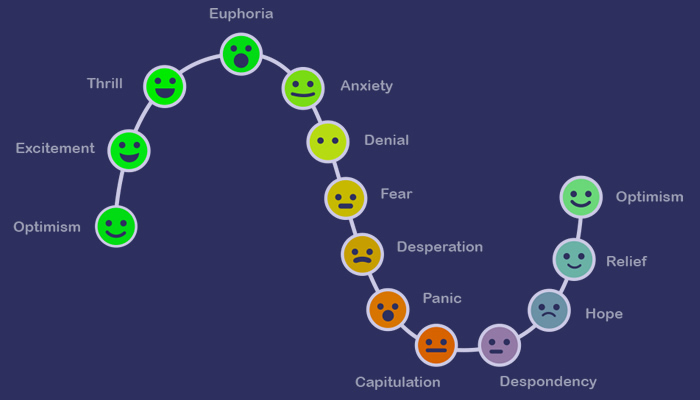
The Role of Emotions in Trading:
Trading can evoke a range of emotions, such as fear, greed, excitement, and frustration. Emotions can cloud judgment and lead to impulsive decisions, which can result in losses.
Common Emotional Challenges:
- Fear: Fear of losing money can prevent traders from taking necessary risks or holding onto winning positions.
- Greed: Greed can lead traders to overtrade or take excessive risks in pursuit of quick profits, potentially leading to significant losses.
- Excitement: Excitement after a series of successful trades can lead to overconfidence, leading to complacency and overlooking potential risks.
- Frustration: Frustration from losses can lead to revenge trading, where traders try to recoup losses by taking impulsive and poorly thought-out trades.
Developing Emotional Resilience:
- Traders need to develop emotional resilience to stay level-headed and objective in their decision-making. Some techniques include:
- Mindfulness: Practicing mindfulness can help traders become more aware of their emotions and thoughts, allowing them to respond rationally rather than react impulsively.
- Sticking to the Trading Plan: Following a well-defined trading plan can provide a structured approach and reduce the influence of emotions in decision-making.
Learning from Mistakes:
Traders need to view losses and mistakes as part of the learning process. Analyzing and learning from errors can help traders improve their strategies and avoid repeating the same mistakes in the future.
Avoiding Overtrading:
Overtrading is a common pitfall driven by emotions. Traders need to recognize when they are trading excessively and stick to their pre-defined trading plan.
The Importance of Discipline:
Maintaining discipline is essential for consistent trading success. This involves following a set of rules, sticking to risk management principles, and avoiding impulsive decisions.
Seeking Support:
Traders can benefit from joining trading communities or seeking support from mentors or experienced traders. Sharing experiences and learning from others can provide valuable insights and encouragement.
Example:
For instance,
A beginner trader might experience excitement after making several profitable trades in a row. Feeling overconfident, they may take larger positions than usual, exposing themselves to higher risks. Unfortunately, a series of losses follows, leading to frustration and disappointment. In this situation, the trader's emotions might push them to take more impulsive trades in an attempt to recover losses quickly, leading to even more significant losses.
However, if the trader practices emotional resilience, they could acknowledge their emotions, step back, and reassess their trading plan objectively. This may prompt them to review their trades, identify potential mistakes, and learn from them to avoid repeating the same errors in the future.
By the end of this module, learners will understand the psychological challenges involved in trading and have strategies to manage emotions effectively. Developing emotional resilience and discipline will allow them to make more rational and objective trading decisions, leading to improved overall performance.
Post a Comment